
/** * List block tracker for UUID-aware list editing and serialization. * * Dependencies: wp.blocks, SFE.ElementPrep * Exposes: SFE.ListBlockTracker */ (function() { 'use strict'; window.MWP = window.MWP || {}; window.MWP.SFE = window.MWP.SFE || {}; const SFE = window.MWP.SFE; SFE.ManagerData = SFE.ManagerData || {}; const { createBlock, serialize: serializeBlocks } = window.wp?.blocks || {}; const UUID_ATTR_KEYS = ['mwpSfeUuid', 'mwpSfeUuidShadow']; const LIST_ITEM_TEXT_ATTR = 'data-mwp-sfe-list-item-text'; const LIST_ITEM_TEXT_CLASS = 'mwp-sfe-list-item-text'; const PLACEHOLDER_ATTR = 'data-rich-text-placeholder'; const LIST_ID_ATTR = 'data-list-id'; const LIST_ITEM_ID_ATTR = 'data-item-id'; const LIST_RUNTIME_UUID_ATTR = 'data-mwp-sfe-list-runtime-uuid'; const LIST_ITEM_RUNTIME_UUID_ATTR = 'data-mwp-sfe-list-item-runtime-uuid'; /** * Return whether one node is a nested list element. * * @param {Node|null} node Candidate DOM node. * @returns {boolean} True when the node is a nested list. */ function isNestedListNode(node) { return !!( node && node.nodeType === Node.ELEMENT_NODE && (node.tagName === 'UL' || node.tagName === 'OL') ); } /** * Return whether one node is ignorable formatting whitespace between list * structures. * * Pretty-printed block markup often leaves direct `\n` text nodes between a * list item's own text and its nested child list. Those nodes should not be * moved into the direct text surface because they become visible editing * artifacts once wrapped. * * @param {Node|null} node Candidate DOM node. * @returns {boolean} True when the node is ignorable whitespace. */ function isIgnorableListWhitespaceNode(node) { return !!( node && node.nodeType === Node.TEXT_NODE && String(node.textContent || '') .replace(/\uFEFF/g, '') .replace(/\u00A0/g, ' ') .trim() .length === 0 ); } /** * Return the direct inline text surface for one list item. * * @param {HTMLLIElement|null} liElement Candidate list item. * @returns {HTMLElement|null} Existing direct text surface, if any. */ function getDirectItemTextSurface(liElement) { if (!liElement || liElement.nodeType !== Node.ELEMENT_NODE || liElement.tagName !== 'LI') { return null; } return Array.from(liElement.children || []).find(child => ( child && child.nodeType === Node.ELEMENT_NODE && child.getAttribute(LIST_ITEM_TEXT_ATTR) === '1' )) || null; } /** * Return the DOM attribute name that stores one session-scoped runtime UUID. * * Runtime UUIDs are distinct from the existing serialization/attr UUIDs. They * exist only while the editor session is open so external callers can point at * the current live list cursor/target without having to manage shifting paths. * * @param {string} type Supported runtime identity type. * @returns {string} Attribute name, or an empty string for invalid types. */ function getRuntimeUuidAttributeName(type) { if (type === 'list') { return LIST_RUNTIME_UUID_ATTR; } if (type === 'item') { return LIST_ITEM_RUNTIME_UUID_ATTR; } return ''; } /** * Normalize one runtime UUID candidate. * * @param {*} value Candidate runtime UUID. * @returns {string} Trimmed runtime UUID, or an empty string. */ function normalizeRuntimeUuid(value) { return String(value || '').trim(); } /** * Return whether one element matches the requested runtime-identity type. * * @param {Element|null} element Candidate DOM element. * @param {string} type Supported runtime identity type. * @returns {boolean} True when the element matches the type. */ function isRuntimeIdentityElement(element, type) { if (!element || element.nodeType !== Node.ELEMENT_NODE) { return false; } if (type === 'list') { return element.tagName === 'UL' || element.tagName === 'OL'; } if (type === 'item') { return element.tagName === 'LI'; } return false; } /** * Return one tracked element by runtime UUID from the live DOM. * * This intentionally queries the current DOM first instead of trusting only a * cached map so history restores and other structural replacements can keep * runtime UUID resolution stable as long as the attributes remain present. * * @param {Object|null} tracker Active list tracker. * @param {string} runtimeUuid Session-scoped runtime UUID. * @param {string} type Supported runtime identity type. * @returns {Element|null} Matching live DOM element. */ function findElementByRuntimeUuid(tracker, runtimeUuid, type) { const normalizedRuntimeUuid = normalizeRuntimeUuid(runtimeUuid); const attrName = getRuntimeUuidAttributeName(type); if ( !tracker?.listElement || !normalizedRuntimeUuid || !attrName || !isRuntimeIdentityElement(tracker.listElement, 'list') ) { return null; } if ( type === 'list' && tracker.listElement.getAttribute(attrName) === normalizedRuntimeUuid ) { return tracker.listElement; } try { const selector = `[${attrName}="${CSS.escape(normalizedRuntimeUuid)}"]`; return tracker.listElement.querySelector(selector); } catch (error) { const escapedUuid = normalizedRuntimeUuid.replace(/"/g, '\\"'); return tracker.listElement.querySelector(`[${attrName}="${escapedUuid}"]`); } } /** * Return every direct text surface currently attached to one list item. * * Merge/delete flows can temporarily move multiple direct text surfaces into * the same list item. The shared list normalizer must collapse them back to * one canonical surface before placeholder syncing or serialization. * * @param {HTMLLIElement|null} liElement Candidate list item. * @returns {HTMLElement[]} Direct text surfaces in DOM order. */ function getAllDirectItemTextSurfaces(liElement) { if (!liElement || liElement.nodeType !== Node.ELEMENT_NODE || liElement.tagName !== 'LI') { return []; } return Array.from(liElement.children || []).filter(child => ( child && child.nodeType === Node.ELEMENT_NODE && child.getAttribute(LIST_ITEM_TEXT_ATTR) === '1' )); } /** * Return whether one node is only placeholder/caret scaffolding. * * Duplicate direct text surfaces may carry empty placeholder anchors or * caret `
` nodes. Those artifacts should be dropped when collapsing * duplicate surfaces instead of being concatenated into visible stacks. * * @param {Node|null} node Candidate DOM node. * @returns {boolean} True when the node is redundant placeholder UI. */ function isRedundantSurfaceArtifact(node) { if (!node) { return true; } if (isIgnorableListWhitespaceNode(node)) { return true; } if (node.nodeType === Node.TEXT_NODE) { return String(node.textContent || '') .replace(/\uFEFF/g, '') .replace(/\u00A0/g, ' ') .trim() .length === 0; } if (node.nodeType !== Node.ELEMENT_NODE) { return false; } if (node.tagName === 'BR') { return true; } return !!node.hasAttribute?.(PLACEHOLDER_ATTR); } /** * Ensure one list item owns one direct inline text surface. * * The root list remains the single live editor host, but this wrapper gives * schema/ABE flows one stable DOM surface per list item's own text content. * * @param {HTMLLIElement|null} liElement Candidate list item. * @returns {HTMLElement|null} Ensured direct text surface. */ function ensureDirectItemTextSurface(liElement) { if (!liElement || liElement.nodeType !== Node.ELEMENT_NODE || liElement.tagName !== 'LI') { return null; } let surface = getDirectItemTextSurface(liElement); if (!surface) { surface = document.createElement('span'); surface.setAttribute(LIST_ITEM_TEXT_ATTR, '1'); surface.classList.add(LIST_ITEM_TEXT_CLASS); liElement.insertBefore( surface, Array.from(liElement.childNodes || []).find(isNestedListNode) || null ); } getAllDirectItemTextSurfaces(liElement) .filter(candidate => candidate && candidate !== surface) .forEach(duplicateSurface => { Array.from(duplicateSurface.childNodes || []).forEach(node => { if (isRedundantSurfaceArtifact(node)) { node.remove(); return; } surface.appendChild(node); }); duplicateSurface.remove(); }); const childNodes = Array.from(liElement.childNodes || []); childNodes.forEach(node => { if ( node && node !== surface && !isNestedListNode(node) && isIgnorableListWhitespaceNode(node) ) { node.remove(); } }); const movableNodes = childNodes.filter(node => { if (!node || node === surface || isNestedListNode(node)) { return false; } if (isIgnorableListWhitespaceNode(node)) { return false; } return !( node.nodeType === Node.ELEMENT_NODE && node.getAttribute?.(LIST_ITEM_TEXT_ATTR) === '1' ); }); movableNodes.forEach(node => surface.appendChild(node)); return surface; } /** * Clone list attrs while optionally stripping plugin UUID ownership. * * The outermost core/list is the only persisted UUID owner for an entire * list tree. Nested core/list blocks are structural children of that root. * If we preserve a nested list UUID here, one accidental assignment can be * re-serialized forever and split a single logical list into multiple * history/edit targets. Keep this guard unless the ownership model changes * everywhere else in PHP and JS at the same time. * * @param {Object} attrs Parsed Gutenberg attrs. * @param {boolean} allowUuidOwnership True for the root list only. * @returns {Object} Safe cloned attrs. */ function cloneListAttrs(attrs, allowUuidOwnership = true) { const clonedAttrs = JSON.parse(JSON.stringify(attrs || {})); if (allowUuidOwnership) { return clonedAttrs; } UUID_ATTR_KEYS.forEach(key => delete clonedAttrs[key]); return clonedAttrs; } /** * Return the direct list-item children for one list element. * * @param {HTMLElement|null} listElement Candidate list element. * @returns {HTMLLIElement[]} Direct child list items. */ function getDirectListItems(listElement) { if (!listElement || listElement.nodeType !== Node.ELEMENT_NODE) { return []; } return Array.from(listElement.children || []).filter(child => child.tagName === 'LI'); } /** * Normalize one path-like value into zero-based list indexes. * * Supported inputs: * - `0_1_2` * - `1.2.3` * - arrays of integers * * @param {string|Array|null} pathValue Candidate path value. * @returns {number[]|null} Parsed zero-based indexes. */ function normalizePathIndexes(pathValue) { if (Array.isArray(pathValue)) { const indexes = pathValue.map(value => Number.parseInt(value, 10)); return indexes.every(Number.isInteger) && indexes.every(index => index >= 0) ? indexes : null; } const raw = typeof pathValue === 'string' ? pathValue.trim() : ''; if (!raw) { return []; } const separator = raw.includes('.') ? '.' : '_'; const parts = raw.split(separator).filter(Boolean); if (!parts.length) { return []; } const indexes = parts.map(part => Number.parseInt(part, 10)); if (!indexes.every(Number.isInteger)) { return null; } if (separator === '.') { return indexes.every(index => index > 0) ? indexes.map(index => index - 1) : null; } return indexes.every(index => index >= 0) ? indexes : null; } /** * Convert one zero-based path index list into public path metadata. * * @param {number[]} indexes Zero-based indexes. * @returns {{path: string, pathLabel: string, depth: number}} Path metadata. */ function buildPathMeta(indexes) { const safeIndexes = Array.isArray(indexes) ? indexes.filter(Number.isInteger) : []; return { path: safeIndexes.join('_'), pathLabel: safeIndexes.map(index => index + 1).join('.'), depth: Math.max(0, safeIndexes.length - 1), }; } /** * Return the direct child list element for one list item. * * @param {HTMLLIElement|null} listItem Candidate list item. * @returns {HTMLElement|null} Direct nested list, if present. */ function getDirectChildList(listItem) { if (!listItem || listItem.nodeType !== Node.ELEMENT_NODE || listItem.tagName !== 'LI') { return null; } return Array.from(listItem.children || []).find(child => ( child.tagName === 'UL' || child.tagName === 'OL' )) || null; } /** * Return the preferred nested list tag for one list item. * * @param {Object|null} tracker Active list tracker. * @param {HTMLLIElement} listItem Parent list item. * @returns {string} `UL` or `OL`. */ function getPreferredChildListTagName(tracker, listItem) { const directChildList = getDirectChildList(listItem); if (directChildList) { return directChildList.tagName; } const parentList = listItem?.parentElement; if (parentList && (parentList.tagName === 'UL' || parentList.tagName === 'OL')) { return parentList.tagName; } return tracker?.listElement?.tagName === 'OL' ? 'OL' : 'UL'; } /** * Return one direct child list for a list item, creating it only when needed. * * Outdent can promote one item and then re-home its trailing siblings beneath * that promoted item. When the promoted item already owns a child list, those * siblings must be appended into the existing list so the DOM mirrors native * editor behavior instead of creating duplicate sibling list wrappers. * * @param {Object|null} tracker Active list tracker. * @param {HTMLLIElement} listItem Parent list item. * @param {string} preferredTagName Fallback list tag name. * @returns {HTMLElement|null} Direct child list element. */ function ensureDirectChildList(tracker, listItem, preferredTagName = '') { if (!listItem || listItem.nodeType !== Node.ELEMENT_NODE || listItem.tagName !== 'LI') { return null; } let childList = getDirectChildList(listItem); if (childList) { return childList; } childList = document.createElement( preferredTagName || getPreferredChildListTagName(tracker, listItem) ); childList.classList.add('wp-block-list'); listItem.appendChild(childList); return childList; } /** * Remove empty nested list wrappers up the ancestry chain. * * The root list element is never removed, even when it becomes empty. * * @param {Object|null} tracker Active list tracker. * @param {HTMLElement|null} startList First candidate nested list. * @returns {void} */ function cleanupEmptyAncestorLists(tracker, startList) { let currentList = startList; while ( currentList && currentList !== tracker?.listElement && currentList.nodeType === Node.ELEMENT_NODE && (currentList.tagName === 'UL' || currentList.tagName === 'OL') && !getDirectListItems(currentList).length ) { const parentItem = currentList.parentElement?.tagName === 'LI' ? currentList.parentElement : null; currentList.remove(); currentList = parentItem ? parentItem.parentElement : null; } } /** * Build one new list item element from a structural operation payload. * * @param {Object|null} operation Candidate operation payload. * @returns {HTMLLIElement} New list item element. */ function buildListItemFromOperation(operation) { const li = document.createElement('li'); const directSurface = ensureDirectItemTextSurface(li); const runtimeUuid = normalizeRuntimeUuid( operation?.itemUuid ?? operation?.newItemUuid ); const html = typeof operation?.contentHtml === 'string' ? operation.contentHtml : (typeof operation?.html === 'string' ? operation.html : ''); const text = typeof operation?.contentText === 'string' ? operation.contentText : (typeof operation?.text === 'string' ? operation.text : ''); if (html) { directSurface.innerHTML = html; } else if (text) { directSurface.textContent = text; } if (runtimeUuid) { li.setAttribute(LIST_ITEM_RUNTIME_UUID_ATTR, runtimeUuid); } return li; } /** * Copy one donor item's structural/style attributes onto the destination list * item while preserving the destination runtime UUID. * * Native Enter list splitting happens inside the browser's contenteditable * engine, so the new sibling inherits the source `li` element's attributes * such as class and style automatically. API-driven insert/move operations * should mirror that behavior by cloning the donor item's `li` attributes, * except for the session-scoped runtime UUID which must stay unique. * * @param {HTMLLIElement|null} listItem Destination list item. * @param {HTMLLIElement|null} donorItem Style/structure donor item. * @returns {void} */ function copyDonorItemAttributes(listItem, donorItem) { if ( !listItem || listItem.nodeType !== Node.ELEMENT_NODE || listItem.tagName !== 'LI' || !donorItem || donorItem.nodeType !== Node.ELEMENT_NODE || donorItem.tagName !== 'LI' ) { return; } const destinationRuntimeUuid = normalizeRuntimeUuid( listItem.getAttribute(LIST_ITEM_RUNTIME_UUID_ATTR) ); Array.from(listItem.attributes || []).forEach(attr => { if (attr?.name === LIST_ITEM_RUNTIME_UUID_ATTR) { return; } listItem.removeAttribute(attr.name); }); Array.from(donorItem.attributes || []).forEach(attr => { if (attr?.name === LIST_ITEM_RUNTIME_UUID_ATTR) { return; } listItem.setAttribute(attr.name, attr.value); }); if (destinationRuntimeUuid) { listItem.setAttribute(LIST_ITEM_RUNTIME_UUID_ATTR, destinationRuntimeUuid); } } /** * Reassign one list item's structural ID from its destination styling * context. * * When an explicit target item is known, its structural `data-item-id` * becomes the style donor for insert-before, insert-after, move-before, and * move-after commands. This keeps the inheritance rule simple and matches the * public API's explicit `targetItemUuid` model. * * For internal list-path insert/move cases that do not resolve through one * target item, fall back to the local destination neighbors. If there is no * neighboring item at all, clear the structural ID so the next tracker rebuild * seeds a fresh item identity instead of accidentally preserving source attrs. * * @param {HTMLLIElement|null} listItem Destination list item. * @param {HTMLLIElement|null} targetItem Explicit style donor item. * @returns {string} Applied structural ID or an empty string. */ function inheritDestinationItemId(listItem, targetItem = null) { if (!listItem || listItem.nodeType !== Node.ELEMENT_NODE || listItem.tagName !== 'LI') { return ''; } const explicitTargetItem = targetItem && targetItem.nodeType === Node.ELEMENT_NODE && targetItem.tagName === 'LI' ? targetItem : null; const previousItem = listItem.previousElementSibling?.tagName === 'LI' ? listItem.previousElementSibling : null; const nextItem = listItem.nextElementSibling?.tagName === 'LI' ? listItem.nextElementSibling : null; const inheritedId = normalizeRuntimeUuid( explicitTargetItem?.getAttribute(LIST_ITEM_ID_ATTR) || previousItem?.getAttribute(LIST_ITEM_ID_ATTR) || nextItem?.getAttribute(LIST_ITEM_ID_ATTR) ); if (inheritedId) { listItem.setAttribute(LIST_ITEM_ID_ATTR, inheritedId); return inheritedId; } listItem.removeAttribute(LIST_ITEM_ID_ATTR); return ''; } /** * Apply one remove-list-item operation. * * @param {Object|null} tracker Active list tracker. * @param {HTMLLIElement} listItem Target list item. * @returns {boolean} True when the mutation applied. */ function applyRemoveListItemOperation(tracker, listItem) { if (!tracker?.listElement || !listItem) { return false; } const oldParentList = listItem.parentElement; listItem.remove(); cleanupEmptyAncestorLists(tracker, oldParentList); return true; } /** * Apply one indent-list-item operation. * * @param {Object|null} tracker Active list tracker. * @param {HTMLLIElement} listItem Target list item. * @returns {boolean} True when the mutation applied. */ function applyIndentListItemOperation(tracker, listItem) { if (!tracker?.listElement || !listItem) { return false; } const previousItem = listItem.previousElementSibling?.tagName === 'LI' ? listItem.previousElementSibling : null; if (!previousItem) { return false; } const nestedList = ensureDirectChildList(tracker, previousItem); nestedList.appendChild(listItem); return true; } /** * Apply one outdent-list-item operation. * * @param {Object|null} tracker Active list tracker. * @param {HTMLLIElement} listItem Target list item. * @returns {boolean} True when the mutation applied. */ function applyOutdentListItemOperation(tracker, listItem) { if (!tracker?.listElement || !listItem) { return false; } const parentList = listItem.parentElement; const parentItem = parentList?.parentElement?.tagName === 'LI' ? parentList.parentElement : null; if (!parentList || !parentItem) { return false; } const ancestorList = parentItem.parentElement; const followingSiblings = []; let next = listItem.nextElementSibling; while (next) { followingSiblings.push(next); next = next.nextElementSibling; } ancestorList.insertBefore(listItem, parentItem.nextElementSibling); if (followingSiblings.length) { const nestedList = ensureDirectChildList(tracker, listItem, parentList.tagName); followingSiblings.forEach(sibling => nestedList.appendChild(sibling)); } cleanupEmptyAncestorLists(tracker, parentList); return true; } /** * Apply one toggle-list-type operation. * * @param {Object|null} tracker Active list tracker. * @param {Object} rawOperation Structural operation payload. * @param {Object} options Apply-operation options. * @returns {boolean} True when the mutation applied. */ function applyToggleListTypeOperation(tracker, rawOperation, options = {}) { if (!tracker?.listElement) { return false; } const listPath = rawOperation.listPath ?? rawOperation.list_path ?? ''; const targetList = getListByPath(tracker, listPath); const editorHost = options?.editorHost && typeof options.editorHost.changeListType === 'function' ? options.editorHost : null; const requestedType = targetList ? ( normalizeListTypeTagName( rawOperation.value ?? rawOperation.listType ?? rawOperation.list_type ?? rawOperation.ordered ) || (targetList.tagName === 'OL' ? 'UL' : 'OL') ) : ''; if ( !targetList || !requestedType || targetList.tagName === requestedType || !editorHost ) { return false; } const nextList = editorHost.changeListType(targetList, requestedType.toLowerCase(), { saveHistory: options.saveHistory !== false, restoreCursor: options.restoreCursor !== false, }); return !!nextList; } /** * Apply one update-list-item-text operation. * * @param {HTMLLIElement} listItem Target list item. * @param {Object} rawOperation Structural operation payload. * @returns {boolean} True when the mutation applied. */ function applyUpdateListItemTextOperation(listItem, rawOperation) { if (!listItem) { return false; } const directSurface = ensureDirectItemTextSurface(listItem); const html = typeof rawOperation?.contentHtml === 'string' ? rawOperation.contentHtml : (typeof rawOperation?.html === 'string' ? rawOperation.html : ''); const text = typeof rawOperation?.contentText === 'string' ? rawOperation.contentText : (typeof rawOperation?.text === 'string' ? rawOperation.text : ''); if (!directSurface) { return false; } directSurface.innerHTML = ''; if (html) { directSurface.innerHTML = html; } else if (text) { directSurface.textContent = text; } return true; } /** * Insert one new list item relative to explicit before/after/list anchors. * * @param {Object|null} tracker Active list tracker. * @param {Object} rawOperation Structural operation payload. * @param {Object} trackerApi List tracker API surface. * @returns {boolean} True when the mutation applied. */ function applyInsertListItemOperation(tracker, rawOperation, trackerApi) { if (!tracker?.listElement || !trackerApi) { return false; } const beforePath = rawOperation.beforePath ?? rawOperation.before_path ?? ''; const afterPath = rawOperation.afterPath ?? rawOperation.after_path ?? ''; const listPath = rawOperation.listPath ?? rawOperation.list_path ?? ''; const beforeItem = trackerApi.getItemByPath(tracker, beforePath); const afterItem = trackerApi.getItemByPath(tracker, afterPath); const newListItem = buildListItemFromOperation(rawOperation); if (beforeItem?.parentElement) { beforeItem.parentElement.insertBefore(newListItem, beforeItem); copyDonorItemAttributes(newListItem, beforeItem); inheritDestinationItemId(newListItem, beforeItem); return true; } if (afterItem?.parentElement) { afterItem.parentElement.insertBefore(newListItem, afterItem.nextElementSibling); copyDonorItemAttributes(newListItem, afterItem); inheritDestinationItemId(newListItem, afterItem); return true; } const targetList = getListByPath(tracker, listPath); if (!targetList) { return false; } const position = typeof rawOperation.position === 'string' ? rawOperation.position.trim().toLowerCase() : 'append'; if (position === 'prepend' && targetList.firstElementChild) { targetList.insertBefore(newListItem, targetList.firstElementChild); } else { targetList.appendChild(newListItem); } inheritDestinationItemId(newListItem); return true; } /** * Move one existing list item relative to explicit before/after/list anchors. * * @param {Object|null} tracker Active list tracker. * @param {HTMLLIElement} listItem Target list item. * @param {Object} rawOperation Structural operation payload. * @param {Object} trackerApi List tracker API surface. * @returns {boolean} True when the mutation applied. */ function applyMoveListItemOperation(tracker, listItem, rawOperation, trackerApi) { if (!tracker?.listElement || !listItem || !trackerApi) { return false; } const beforePath = rawOperation.beforePath ?? rawOperation.before_path ?? ''; const afterPath = rawOperation.afterPath ?? rawOperation.after_path ?? ''; const listPath = rawOperation.listPath ?? rawOperation.list_path ?? ''; const beforeItem = trackerApi.getItemByPath(tracker, beforePath); const afterItem = trackerApi.getItemByPath(tracker, afterPath); const oldParentList = listItem.parentElement; let didApply = false; if (beforeItem && beforeItem !== listItem && !listItem.contains(beforeItem)) { beforeItem.parentElement.insertBefore(listItem, beforeItem); copyDonorItemAttributes(listItem, beforeItem); inheritDestinationItemId(listItem, beforeItem); didApply = true; } else if (afterItem && afterItem !== listItem && !listItem.contains(afterItem)) { afterItem.parentElement.insertBefore(listItem, afterItem.nextElementSibling); copyDonorItemAttributes(listItem, afterItem); inheritDestinationItemId(listItem, afterItem); didApply = true; } else if (typeof listPath === 'string') { const targetList = getListByPath(tracker, listPath); const ownerItem = targetList?.parentElement?.tagName === 'LI' ? targetList.parentElement : null; if (targetList && ownerItem !== listItem && !listItem.contains(ownerItem || null)) { const position = typeof rawOperation.position === 'string' ? rawOperation.position.trim().toLowerCase() : 'append'; if (position === 'prepend' && targetList.firstElementChild) { targetList.insertBefore(listItem, targetList.firstElementChild); } else { targetList.appendChild(listItem); } inheritDestinationItemId(listItem); didApply = true; } } if (didApply) { cleanupEmptyAncestorLists(tracker, oldParentList); } return didApply; } /** * Resolve one tracked list element from a list-path payload. * * The root list lives at the empty path. Nested lists are addressed by the * tree path of the parent item that owns that child list. * * @param {Object|null} tracker Active list tracker. * @param {string|Array} pathValue Root-empty list path or parent-item path. * @returns {HTMLElement|null} Matching list element. */ function getListByPath(tracker, pathValue) { if (!tracker?.listElement) { return null; } if ( pathValue === '' || pathValue === null || typeof pathValue === 'undefined' || (Array.isArray(pathValue) && !pathValue.length) || (typeof pathValue === 'string' && !pathValue.trim()) ) { return tracker.listElement; } const parentItem = ListBlockTracker.getItemByPath(tracker, pathValue); return parentItem ? getDirectChildList(parentItem) : null; } /** * Normalize one requested list-type value to a DOM tag name. * * @param {*} value Candidate list-type value. * @returns {string} `OL`, `UL`, or an empty string. */ function normalizeListTypeTagName(value) { if (value === true) { return 'OL'; } if (value === false) { return 'UL'; } const normalized = String(value || '').trim().toLowerCase(); if (normalized === 'ordered' || normalized === 'ol' || normalized === 'true') { return 'OL'; } if (normalized === 'unordered' || normalized === 'ul' || normalized === 'false') { return 'UL'; } return ''; } const ListBlockTracker = { active: null, /** * Initialize tracker for a list element * @param {HTMLElement} listElement - The UL or OL element * @param {Object} originalBlock - The complete WordPress block structure */ init(listElement, originalBlock = {}) { if (!createBlock || !serializeBlocks) { console.error('wp.blocks not available'); } const tracker = { listElement, originalBlock: JSON.parse(JSON.stringify(originalBlock)), uuidMap: new Map(), // uuid -> {type, attrs, element} domMap: new WeakMap(), // element -> uuid runtimeUuidMap: new Map(), // runtimeUuid -> {type, element} runtimeDomMap: new WeakMap() // element -> runtimeUuid }; // Attach tracker to element to avoid singleton issues listElement._mwpListTracker = tracker; // Build UUID tracking from DOM and original block structure this.buildFromDOM(tracker, listElement, originalBlock); this.active = tracker; return tracker; }, /** * Build UUID mappings from DOM and original block structure * Assigns UUIDs to all lists and list items, mapping to their original attrs */ buildFromDOM(tracker, listElement, originalBlock) { const previousEntries = tracker.uuidMap instanceof Map ? new Map(tracker.uuidMap) : new Map(); const previousRuntimeEntries = tracker.runtimeUuidMap instanceof Map ? new Map(tracker.runtimeUuidMap) : new Map(); tracker.uuidMap.clear(); tracker.domMap = new WeakMap(); tracker.runtimeUuidMap.clear(); tracker.runtimeDomMap = new WeakMap(); tracker.listElement = listElement; this.syncEditableTextSurfaces(listElement); this.registerRuntimeIdentity( tracker, listElement, 'list', previousRuntimeEntries ); // Assign UUID to root list and map to original attrs const rootUuid = this.getOrCreateUuid(listElement, 'list'); const previousRootEntry = previousEntries.get(rootUuid); tracker.uuidMap.set(rootUuid, { type: 'list', attrs: previousRootEntry?.attrs ? cloneListAttrs(previousRootEntry.attrs, true) : cloneListAttrs(originalBlock.attrs || {}, true), element: listElement }); tracker.domMap.set(listElement, rootUuid); // Recursively process list structure this.processListRecursive( tracker, listElement, originalBlock.innerBlocks || [], previousEntries, previousRuntimeEntries ); }, /** * Recursively process list items and nested lists, assigning UUIDs */ processListRecursive( tracker, listElement, originalItems, previousEntries = new Map(), previousRuntimeEntries = new Map() ) { const items = getDirectListItems(listElement); items.forEach((li, index) => { this.syncEditableTextSurfaces(li); const originalItem = originalItems[index] || {}; this.registerRuntimeIdentity( tracker, li, 'item', previousRuntimeEntries ); const itemUuid = this.getOrCreateUuid(li, 'item'); const previousItemEntry = previousEntries.get(itemUuid); // Map UUID to original item attrs tracker.uuidMap.set(itemUuid, { type: 'item', attrs: previousItemEntry?.attrs ? JSON.parse(JSON.stringify(previousItemEntry.attrs || {})) : JSON.parse(JSON.stringify(originalItem.attrs || {})), element: li }); tracker.domMap.set(li, itemUuid); // Handle nested lists const nestedList = getDirectChildList(li); if (nestedList) { const originalNested = originalItem.innerBlocks?.[0] || {}; this.registerRuntimeIdentity( tracker, nestedList, 'list', previousRuntimeEntries ); const nestedUuid = this.getOrCreateUuid(nestedList, 'list'); const previousNestedEntry = previousEntries.get(nestedUuid); // Map nested list attrs without plugin UUID ownership. // The tracker still needs a temporary DOM identity for list // editing, but persisting mwpSfeUuid* on nested lists would // fracture one logical list into multiple save/history roots. tracker.uuidMap.set(nestedUuid, { type: 'list', attrs: previousNestedEntry?.attrs ? cloneListAttrs(previousNestedEntry.attrs, false) : cloneListAttrs(originalNested.attrs || {}, false), element: nestedList }); tracker.domMap.set(nestedList, nestedUuid); // Recurse into nested list this.processListRecursive( tracker, nestedList, originalNested.innerBlocks || [], previousEntries, previousRuntimeEntries ); } }); }, /** * Register one list or list-item runtime identity on the tracker. * * @param {Object} tracker Active list tracker. * @param {Element} element Live list or list-item element. * @param {string} type Supported runtime identity type. * @param {Map} previousRuntimeEntries Previous runtime entry map. * @returns {string} Resolved runtime UUID. */ registerRuntimeIdentity( tracker, element, type, previousRuntimeEntries = new Map() ) { const runtimeUuid = this.getOrCreateRuntimeUuid( tracker, element, type, previousRuntimeEntries ); if (!runtimeUuid) { return ''; } tracker.runtimeUuidMap.set(runtimeUuid, { type, element, }); tracker.runtimeDomMap.set(element, runtimeUuid); return runtimeUuid; }, /** * Return whether one runtime UUID is already owned by a different element. * * Native contenteditable list splitting can clone DOM attributes from the * source item into the newly created sibling. When that happens, the new * runtime UUID must be reseeded so each live cursor target stays unique. * * @param {Object} tracker Active list tracker. * @param {string} runtimeUuid Candidate runtime UUID. * @param {Element|null} element Element requesting that UUID. * @returns {boolean} True when the UUID belongs elsewhere. */ isRuntimeUuidClaimedByDifferentElement(tracker, runtimeUuid, element) { const normalizedRuntimeUuid = normalizeRuntimeUuid(runtimeUuid); if (!tracker?.runtimeUuidMap || !normalizedRuntimeUuid) { return false; } const existingEntry = tracker.runtimeUuidMap.get(normalizedRuntimeUuid); return !!(existingEntry?.element && existingEntry.element !== element); }, /** * Get the inherited structural ID for an element or seed it from the * runtime UUID when it does not exist yet. * * Structural IDs may be intentionally copied by native list splitting so * related items can retain style inheritance. They are not treated as * unique runtime cursor identifiers. */ getOrCreateUuid(element, type) { const attrName = type === 'list' ? LIST_ID_ATTR : LIST_ITEM_ID_ATTR; let uuid = element.getAttribute(attrName); if (!uuid) { uuid = normalizeRuntimeUuid( element.getAttribute( type === 'list' ? LIST_RUNTIME_UUID_ATTR : LIST_ITEM_RUNTIME_UUID_ATTR ) ) || this.generateTempUuid(); element.setAttribute(attrName, uuid); } return uuid; }, /** * Return the existing runtime UUID for one element or create one. * * Caller-supplied runtime UUIDs win for newly created items/lists. When an * element already belongs to the previous tracker build, its existing * runtime UUID is preserved so API references remain stable across rebuilds. * * @param {Object} tracker Active list tracker. * @param {Element} element Live list or list-item element. * @param {string} type Supported runtime identity type. * @param {Map} previousRuntimeEntries Previous runtime entry map. * @returns {string} Session-scoped runtime UUID. */ getOrCreateRuntimeUuid( tracker, element, type, previousRuntimeEntries = new Map() ) { const attrName = getRuntimeUuidAttributeName(type); if (!attrName || !isRuntimeIdentityElement(element, type)) { return ''; } let runtimeUuid = normalizeRuntimeUuid(element.getAttribute(attrName)); if (!runtimeUuid) { for (const [candidateUuid, entry] of previousRuntimeEntries.entries()) { if (entry?.element === element && entry.type === type) { runtimeUuid = normalizeRuntimeUuid(candidateUuid); break; } } } if (this.isRuntimeUuidClaimedByDifferentElement(tracker, runtimeUuid, element)) { runtimeUuid = ''; } if (!runtimeUuid) { runtimeUuid = this.generateTempUuid(); } element.setAttribute(attrName, runtimeUuid); return runtimeUuid; }, /** * Generate a RFC4122 version 4 UUID */ generateTempUuid() { return 'xxxxxxxx-xxxx-4xxx-yxxx-xxxxxxxxxxxx'.replace(/[xy]/g, function(c) { const r = Math.random() * 16 | 0; const v = c === 'x' ? r : (r & 0x3 | 0x8); return v.toString(16); }); }, /** * Return the zero-based tree path for one list item inside the tracked list. * * @param {Object} tracker Active list tracker. * @param {HTMLLIElement} listItem Candidate list item. * @returns {number[]|null} Zero-based indexes, or null on failure. */ getPathIndexesForItem(tracker, listItem) { if ( !tracker?.listElement || !listItem || listItem.nodeType !== Node.ELEMENT_NODE || listItem.tagName !== 'LI' || !tracker.listElement.contains(listItem) ) { return null; } const indexes = []; let currentItem = listItem; while (currentItem && tracker.listElement.contains(currentItem)) { const parentList = currentItem.parentElement; if (!parentList || (parentList.tagName !== 'UL' && parentList.tagName !== 'OL')) { return null; } const siblingItems = getDirectListItems(parentList); const itemIndex = siblingItems.indexOf(currentItem); if (itemIndex < 0) { return null; } indexes.unshift(itemIndex); const nextItem = parentList.closest('li'); if (!nextItem || !tracker.listElement.contains(nextItem)) { break; } currentItem = nextItem; } return indexes.length ? indexes : null; }, /** * Return the direct list item currently living at one tree path. * * @param {Object} tracker Active list tracker. * @param {string|Array} pathValue Zero-based path value. * @returns {HTMLLIElement|null} Matching list item. */ getItemByPath(tracker, pathValue) { const indexes = normalizePathIndexes(pathValue); if (!tracker?.listElement || !Array.isArray(indexes) || !indexes.length) { return null; } let currentList = tracker.listElement; let currentItem = null; for (let index = 0; index < indexes.length; index++) { const itemIndex = indexes[index]; const siblingItems = getDirectListItems(currentList); currentItem = siblingItems[itemIndex] || null; if (!currentItem) { return null; } if (index === indexes.length - 1) { return currentItem; } currentList = getDirectChildList(currentItem); if (!currentList) { return null; } } return currentItem; }, /** * Resolve one list element back to its public list path. * * The root list is addressed as an empty string. Nested child lists are * addressed by the path of the parent list item that owns them. * * @param {Object|null} tracker Active list tracker. * @param {HTMLElement|null} listElement Candidate list element. * @returns {string} Root-relative list path. */ getPathForList(tracker, listElement) { if (!tracker) tracker = this.active; if (!tracker?.listElement || !listElement || listElement.nodeType !== Node.ELEMENT_NODE) { return ''; } if (listElement === tracker.listElement) { return ''; } const parentItem = ( listElement.parentElement && listElement.parentElement.tagName === 'LI' ) ? listElement.parentElement : null; if (!parentItem) { return ''; } const indexes = this.getPathIndexesForItem(tracker, parentItem); return Array.isArray(indexes) ? indexes.join('_') : ''; }, /** * Return one tracked list item by runtime UUID. * * @param {Object|null} tracker Active list tracker. * @param {string} runtimeUuid Session-scoped item UUID. * @returns {HTMLLIElement|null} Matching list item. */ getItemByRuntimeUuid(tracker, runtimeUuid) { if (!tracker) tracker = this.active; const element = findElementByRuntimeUuid(tracker, runtimeUuid, 'item'); return element && element.tagName === 'LI' ? element : null; }, /** * Return one tracked list by runtime UUID. * * @param {Object|null} tracker Active list tracker. * @param {string} runtimeUuid Session-scoped list UUID. * @returns {HTMLElement|null} Matching list element. */ getListByRuntimeUuid(tracker, runtimeUuid) { if (!tracker) tracker = this.active; const element = findElementByRuntimeUuid(tracker, runtimeUuid, 'list'); return isListElementForRuntimeLookup(element) ? element : null; }, /** * Return the runtime UUID for one tracked list item. * * @param {Object|null} tracker Active list tracker. * @param {HTMLLIElement} listItem Live list item. * @returns {string} Session-scoped item UUID. */ getRuntimeUuidForItem(tracker, listItem) { if (!tracker) tracker = this.active; if (!tracker?.listElement || !listItem || listItem.tagName !== 'LI') { return ''; } return normalizeRuntimeUuid( listItem.getAttribute(LIST_ITEM_RUNTIME_UUID_ATTR) || tracker.runtimeDomMap?.get(listItem) ); }, /** * Return the runtime UUID for one tracked list. * * @param {Object|null} tracker Active list tracker. * @param {HTMLElement} listElement Live list element. * @returns {string} Session-scoped list UUID. */ getRuntimeUuidForList(tracker, listElement) { if (!tracker) tracker = this.active; if (!tracker?.listElement || !isListElementForRuntimeLookup(listElement)) { return ''; } return normalizeRuntimeUuid( listElement.getAttribute(LIST_RUNTIME_UUID_ATTR) || tracker.runtimeDomMap?.get(listElement) ); }, /** * Parse current DOM list structure to WordPress block format * Uses UUID to preserve original attrs, updates only content and ordered * * @param {HTMLElement} listElement Live UL/OL element. * @param {Object} tracker Active list tracker. * @param {boolean} allowUuidOwnership True only for the outermost * core/list. Nested lists must * serialize without persisted * plugin UUID attrs. */ parseListToBlock(listElement, tracker, allowUuidOwnership = true) { const isOrdered = listElement.tagName === 'OL'; const uuid = listElement.getAttribute(LIST_ID_ATTR); let attrs = { ordered: isOrdered }; if (uuid && tracker && tracker.uuidMap.has(uuid)) { const original = tracker.uuidMap.get(uuid); const originalAttrs = (Array.isArray(original.attrs) || !original.attrs) ? {} : cloneListAttrs(original.attrs, allowUuidOwnership); attrs = { ...originalAttrs, ordered: isOrdered }; } const listItems = Array.from(listElement.children).filter(el => el.tagName === 'LI'); const innerBlocks = listItems.map(li => this.parseListItemToBlock(li, tracker)); return createBlock('core/list', attrs, innerBlocks); }, /** * Parse a list item to WordPress block format * Preserves original attrs if UUID exists */ parseListItemToBlock(liElement, tracker) { const uuid = liElement.getAttribute(LIST_ITEM_ID_ATTR); let attrs = {}; if (uuid && tracker && tracker.uuidMap.has(uuid)) { const original = tracker.uuidMap.get(uuid); attrs = JSON.parse(JSON.stringify(original.attrs || {})); } // Recurse into nested list using the live element before cloning const innerBlocks = []; const nestedListEl = liElement.querySelector(':scope > ul, :scope > ol'); if (nestedListEl) { innerBlocks.push(this.parseListToBlock(nestedListEl, tracker, false)); } const clone = liElement.cloneNode(true); const directSurface = clone.querySelector(`:scope > [${LIST_ITEM_TEXT_ATTR}="1"]`); let content = ''; if (directSurface) { const cleanedSurface = this.cleanElement(directSurface); content = cleanedSurface.innerHTML.trim(); } else { const nestedInClone = clone.querySelector(':scope > ul, :scope > ol'); if (nestedInClone) nestedInClone.remove(); const cleaned = this.cleanElement(clone); content = cleaned.innerHTML.trim(); } return createBlock('core/list-item', { ...attrs, content }, innerBlocks); }, /** * Clean element using ElementPrep * Removes editing artifacts while preserving UUIDs and content */ cleanElement(element) { if (SFE.ElementPrep) { return SFE.ElementPrep.clean(element, { removeIdentity: true, removeControls: true, clone: false // Already working with a clone }); } console.error('ElementPrep not found'); return element; }, /** * Serialize the current list structure to WordPress block format * Preserves all original attrs, updates only content and ordered */ serialize(tracker) { if (!tracker) tracker = this.active; if (!tracker) return null; const block = this.parseListToBlock(tracker.listElement, tracker); return serializeBlocks([block]); }, /** * Update the tracker's element reference * Used when the list element is replaced (e.g., OL to UL conversion) */ updateElement(tracker, newElement) { if (!tracker) tracker = this.active; if (!tracker) return; // Ensure new element keeps the tracker reference newElement._mwpListTracker = tracker; this.syncEditableTextSurfaces(newElement); tracker.listElement = newElement; // Update element references in uuidMap tracker.uuidMap.forEach((value, key) => { if (value.type === 'list') { const newEl = newElement.querySelector(`[${LIST_ID_ATTR}="${key}"]`) || (newElement.getAttribute(LIST_ID_ATTR) === key ? newElement : null); if (newEl) { value.element = newEl; } } else if (value.type === 'item') { const newEl = newElement.querySelector(`[${LIST_ITEM_ID_ATTR}="${key}"]`); if (newEl) { value.element = newEl; } } }); tracker.runtimeUuidMap.forEach((value, key) => { if (value.type === 'list') { const newEl = this.getListByRuntimeUuid(tracker, key); if (newEl) { value.element = newEl; tracker.runtimeDomMap.set(newEl, key); } } else if (value.type === 'item') { const newEl = this.getItemByRuntimeUuid(tracker, key); if (newEl) { value.element = newEl; tracker.runtimeDomMap.set(newEl, key); } } }); }, /** * Return one tree-aware structural snapshot for the active list. * * @param {Object|null} tracker Active list tracker. * @returns {Object|null} Lightweight structure snapshot. */ getStructure(tracker) { if (!tracker) tracker = this.active; if (!tracker?.listElement) { return null; } const buildListNode = (listElement, listPath = '', parentIndexes = []) => ({ listUuid: this.getRuntimeUuidForList(tracker, listElement), listPath, ordered: listElement.tagName === 'OL', items: getDirectListItems(listElement).map((listItem, index) => { const indexes = [ ...parentIndexes, index ]; const pathMeta = buildPathMeta(indexes); const directSurface = ensureDirectItemTextSurface(listItem); const nestedList = getDirectChildList(listItem); return { itemUuid: this.getRuntimeUuidForItem(tracker, listItem), path: pathMeta.path, pathLabel: pathMeta.pathLabel, depth: pathMeta.depth, contentHtml: directSurface ? directSurface.innerHTML.trim() : '', childList: nestedList ? buildListNode(nestedList, pathMeta.path, indexes) : null, }; }), }); return buildListNode(tracker.listElement, '', []); }, /** * Apply one primitive structural list operation against the live tracked * DOM. * * Public API calls are translated into this lower-level operation set by * the shared schema executor so the tracker only needs to understand the * canonical primitive mutation layer. * * Supported primitive kinds: * - `insert_list_item` * - `remove_list_item` * - `move_list_item` * - `indent_list_item` * - `outdent_list_item` * - `update_list_item_text` * - `toggle_list_type` * * @param {Object|null} tracker Active list tracker. * @param {Object} rawOperation Structural operation payload. * @returns {Object|null} Result summary when applied. */ applyOperation(tracker, rawOperation, options = {}) { if (!tracker) tracker = this.active; if (!tracker?.listElement || !rawOperation || typeof rawOperation !== 'object') { return null; } const kind = typeof rawOperation.kind === 'string' ? rawOperation.kind.trim().toLowerCase() : ''; const path = rawOperation.path ?? rawOperation.itemPath ?? rawOperation.item_path ?? ''; const listItem = this.getItemByPath(tracker, path); let didApply = false; if (kind === 'remove_list_item' && listItem) { didApply = applyRemoveListItemOperation(tracker, listItem); } else if (kind === 'indent_list_item' && listItem) { didApply = applyIndentListItemOperation(tracker, listItem); } else if (kind === 'outdent_list_item' && listItem) { didApply = applyOutdentListItemOperation(tracker, listItem); } else if (kind === 'toggle_list_type') { didApply = applyToggleListTypeOperation(tracker, rawOperation, options); } else if (kind === 'update_list_item_text' && listItem) { didApply = applyUpdateListItemTextOperation(listItem, rawOperation); } else if (kind === 'insert_list_item') { didApply = applyInsertListItemOperation(tracker, rawOperation, this); } else if (kind === 'move_list_item' && listItem) { didApply = applyMoveListItemOperation(tracker, listItem, rawOperation, this); } if (!didApply) { return null; } this.syncEditableTextSurfaces(tracker.listElement); this.buildFromDOM(tracker, tracker.listElement, tracker.originalBlock || {}); return { kind, structure: this.getStructure(tracker), }; }, /** * Ensure every list item in one tree has one direct text surface. * * @param {HTMLElement|null} rootElement Candidate list root or list item. * @returns {HTMLElement|null} Normalized root element. */ syncEditableTextSurfaces(rootElement) { if (!rootElement || rootElement.nodeType !== Node.ELEMENT_NODE) { return null; } if (rootElement.tagName === 'LI') { ensureDirectItemTextSurface(rootElement); Array.from(rootElement.children || []) .filter(child => isNestedListNode(child)) .forEach(childList => this.syncEditableTextSurfaces(childList)); return rootElement; } if (rootElement.tagName !== 'UL' && rootElement.tagName !== 'OL') { return rootElement; } Array.from(rootElement.children || []) .filter(child => child.tagName === 'LI') .forEach(li => this.syncEditableTextSurfaces(li)); return rootElement; }, /** * Ensure runtime UUID attributes are unique within one live list tree. * * Native contenteditable list splitting can clone `li` and nested list * attributes verbatim before FrontEdit regains control. This pass reseeds only the * session-scoped runtime UUID attributes so freshly created structures become * distinct live API/editor targets immediately, while leaving `data-item-id` * and `data-list-id` untouched for their separate responsibilities. * * @param {HTMLElement|null} rootElement Candidate list root. * @returns {HTMLElement|null} Normalized root element. */ ensureUniqueRuntimeUuids(rootElement) { if ( !rootElement || rootElement.nodeType !== Node.ELEMENT_NODE || (rootElement.tagName !== 'UL' && rootElement.tagName !== 'OL') ) { return rootElement || null; } const seenListRuntimeUuids = new Set(); const seenItemRuntimeUuids = new Set(); const collectLists = [ rootElement, ...Array.from(rootElement.querySelectorAll('ul, ol')) ]; const collectItems = Array.from(rootElement.querySelectorAll('li')); collectLists.forEach(listElement => { const runtimeUuid = normalizeRuntimeUuid( listElement.getAttribute(LIST_RUNTIME_UUID_ATTR) ); if (!runtimeUuid) { return; } if (seenListRuntimeUuids.has(runtimeUuid)) { listElement.setAttribute(LIST_RUNTIME_UUID_ATTR, this.generateTempUuid()); return; } seenListRuntimeUuids.add(runtimeUuid); }); collectItems.forEach(listItem => { const runtimeUuid = normalizeRuntimeUuid( listItem.getAttribute(LIST_ITEM_RUNTIME_UUID_ATTR) ); if (!runtimeUuid) { return; } if (seenItemRuntimeUuids.has(runtimeUuid)) { listItem.setAttribute(LIST_ITEM_RUNTIME_UUID_ATTR, this.generateTempUuid()); return; } seenItemRuntimeUuids.add(runtimeUuid); }); return rootElement; }, /** * Ensure one live list tree has the required structural IDs and runtime UUIDs. * * On first editor activation, list elements may not yet have either identity * attribute family. Seed both from one generated UUID per element so the * initial history snapshot captures stable targeting data. Later native list * splits may intentionally copy the structural IDs; in those cases this pass * preserves the structural IDs and only reseeds duplicated runtime UUIDs. * * @param {HTMLElement|null} rootElement Candidate list root. * @returns {HTMLElement|null} Normalized root element. */ ensureIdentityAttributes(rootElement) { if ( !rootElement || rootElement.nodeType !== Node.ELEMENT_NODE || (rootElement.tagName !== 'UL' && rootElement.tagName !== 'OL') ) { return rootElement || null; } const syncIdentityPair = (element, structuralAttrName, runtimeAttrName) => { if (!element || element.nodeType !== Node.ELEMENT_NODE) { return; } let structuralId = normalizeRuntimeUuid( element.getAttribute(structuralAttrName) ); let runtimeUuid = normalizeRuntimeUuid( element.getAttribute(runtimeAttrName) ); if (!structuralId && !runtimeUuid) { runtimeUuid = this.generateTempUuid(); structuralId = runtimeUuid; } else if (!runtimeUuid) { runtimeUuid = structuralId; } else if (!structuralId) { structuralId = runtimeUuid; } element.setAttribute(structuralAttrName, structuralId); element.setAttribute(runtimeAttrName, runtimeUuid); }; syncIdentityPair(rootElement, LIST_ID_ATTR, LIST_RUNTIME_UUID_ATTR); Array.from(rootElement.querySelectorAll('ul, ol')).forEach(listElement => { syncIdentityPair(listElement, LIST_ID_ATTR, LIST_RUNTIME_UUID_ATTR); }); Array.from(rootElement.querySelectorAll('li')).forEach(listItem => { syncIdentityPair(listItem, LIST_ITEM_ID_ATTR, LIST_ITEM_RUNTIME_UUID_ATTR); }); return this.ensureUniqueRuntimeUuids(rootElement); }, getDirectItemTextSurface, normalizePathIndexes, buildPathMeta, getRuntimeUuidAttributeName, getListRuntimeUuidAttributeName() { return LIST_RUNTIME_UUID_ATTR; }, getListItemRuntimeUuidAttributeName() { return LIST_ITEM_RUNTIME_UUID_ATTR; }, getListIdAttributeName() { return LIST_ID_ATTR; }, getListItemIdAttributeName() { return LIST_ITEM_ID_ATTR; }, /** * Destroy tracker and clean up */ destroy(tracker) { if (!tracker) tracker = this.active; if (!tracker) return; tracker.uuidMap.clear(); tracker.runtimeUuidMap.clear(); if (tracker.listElement) { delete tracker.listElement._mwpListTracker; } if (this.active === tracker) this.active = null; } }; /** * Return whether one element is a live list node for runtime lookup helpers. * * @param {Element|null} element Candidate DOM element. * @returns {boolean} True when the element is `UL` or `OL`. */ function isListElementForRuntimeLookup(element) { return !!( element && element.nodeType === Node.ELEMENT_NODE && (element.tagName === 'UL' || element.tagName === 'OL') ); } // Expose globally SFE.ListBlockTracker = ListBlockTracker; })(); So findest du den idealen Willkommensbonus im Online Casino ohne Limit - Luxe Designs

So findest du den idealen Willkommensbonus im Online Casino ohne Limit


Die Welt der Online-Casinos ist ebenso aufregend wie vielfältig, und ein wichtiger Aspekt, den Spieler beachten sollten, ist der Willkommensbonus. Dieser kann einen erheblichen Einfluss auf das Spielerlebnis haben, insbesondere in Casinos ohne Einzahlungslimits, wie dem casino ohne limit , wo die Auswahl an Spielen enorm ist und viele attraktive Angebote zur Verfügung stehen. In diesem Artikel erfährst du, worauf du achten musst, um den idealen Willkommensbonus zu finden, der deinen Bedürfnissen und Wünschen entspricht.
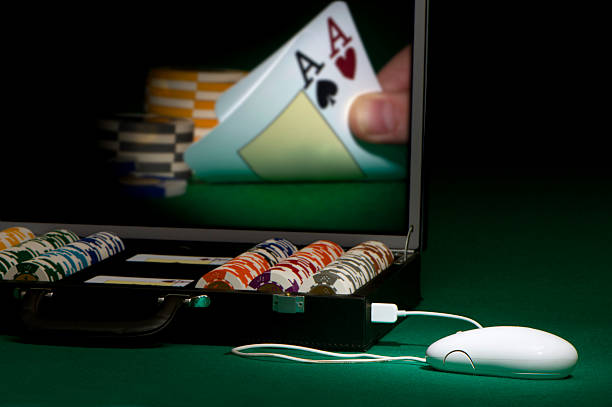
Was du bei deinem ersten Besuch im Online Casino ohne Limit beachten solltest

Wenn du ein Online Casino ohne Einzahlungslimit besuchst, ist es wichtig, die verschiedenen Aspekte zu verstehen, die deine Spielerfahrung beeinflussen können. Ein wichtiger Punkt sind die Bonusangebote, die in der Regel umso attraktiver sind, je höher die Einzahlung ist. Bei Casinos ohne Limit hast du die Freiheit, große Beträge einzuzahlen, ohne dabei durch strenge Vorgaben eingeschränkt zu werden. Darüber hinaus solltest du das Spieleportfolio und die Zahlungsmöglichkeiten in Betracht ziehen, da sie die Vielfalt und Flexibilität des Angebots bestimmen.

Zusätzlich ist es entscheidend, die Sicherheit und Vertrauenswürdigkeit des Casinos zu überprüfen. Lizenzierte Casinos bieten nicht nur eine Vielzahl an Spielen, sondern garantieren auch, dass deine Daten sicher sind und faire Spielbedingungen herrschen.

Wie du den idealen Willkommensbonus findest

Der Willkommensbonus kann entscheidend sein, um das Beste aus deinem Spielerlebnis herauszuholen. Hier sind einige Schritte, die dir helfen, den idealen Bonus auszuwählen:

  1. Forschung betreiben: Informiere dich über verschiedene Online Casinos und deren Angebote.
  2. Bonusdetails vergleichen: Achte auf die Höhe des Bonus, die Umsatzbedingungen und die Freispiele.
  3. Einzahlungsoptionen prüfen: Stelle sicher, dass das Casino Zahlungsmethoden bietet, die dir zusagen, z.B. Krypto oder Kreditkarten.
  4. Spieleportfolio anschauen: Überprüfe, ob es Spiele gibt, die du gerne spielst, und wie viele es insgesamt gibt.
  5. Sicherheitsniveau bewerten: Achte auf die Lizenzierung und die Sicherheitsmaßnahmen des Casinos.
  • Ein umfassender Vergleich der Angebote kann dir helfen, das beste Casino zu finden.
  • Die Berücksichtigung von Umsatzbedingungen sorgt dafür, dass du deinen Bonus auch wirklich umsetzen kannst.
  • Flexibilität bei den Zahlungsmethoden erhöht den Komfort beim Einzahlen und Abheben.

Praktische Details zu Online Casinos ohne Limit

Online Casinos ohne Einzahlungslimit bieten zahlreiche Vorteile, die sie für Spieler attraktiv machen. Bei vielen dieser Casinos kannst du Boni von bis zu 15.000 € und zusätzlich 300 Freispiele erhalten. Das bedeutet, dass du mehr Geld zur Verfügung hast, um dein Lieblingsspiel auszuprobieren, ohne dir Sorgen um Einzahlungsbeschränkungen machen zu müssen. Über 18.000 Titel stehen in diesen Casinos zur Verfügung, von klassischen Slotmaschinen bis hin zu aufregenden Live-Casinospielen.

  • Vielfältige Spielmöglichkeiten mit über 18.000 verfügbaren Titeln.
  • Hochwertige mobile Apps für ein optimales Spielerlebnis unterwegs.
  • Zahlungsmethoden wie Krypto und Visa, die Flexibilität und Sicherheit bieten.

Zusätzlich sind viele dieser Casinos darauf ausgelegt, eine benutzerfreundliche Oberfläche zu bieten, wodurch die Navigation durch die verschiedenen Spiele und Angebote erleichtert wird. Dies trägt zu einem positiven Gesamterlebnis bei und hilft dir, schnell die Spiele zu finden, die dir am meisten Spaß machen.

Key Benefits von Online Casinos ohne Einzahlungslimit

Die Wahl eines Online Casinos ohne Einzahlungslimit bringt zahlreiche Vorteile mit sich, die deinen Aufenthalt sowohl angenehmer als auch potenziell gewinnbringender machen können. Hier sind einige der herausragenden Vorteile:

  • Hohe Willkommensboni: Spieler können großzügige Boni erwarten, die das Einsatzpotenzial erhöhen.
  • Keine Einzahlungslimits: Du kannst so viel einzahlen, wie du möchtest, was dir mehr Freiheit gibt.
  • Große Spielauswahl: Mit über 18.000 Spielen ist für jeden Geschmack etwas dabei.
  • Flexible Zahlungsmethoden: Der Einsatz von Kryptowährungen bietet Vorteile wie Anonymität und schnellere Transaktionen.

Diese Vorteile machen Online Casinos zu einem attraktiven Ziel für Spieler, die das Beste aus ihren Einsätzen herausholen möchten. Die Kombination aus großzügigen Boni, einer breiten Spielauswahl und flexiblen Zahlungsmöglichkeiten wird durch die Sicherheit und die Vertrauenswürdigkeit der lizenzierten Anbieter ergänzt.

Vertrauen und Sicherheit in Online Casinos

Die Sicherheit ist ein wichtiger Aspekt, den Spieler beim Betreten eines Online Casinos berücksichtigen sollten. Ein gutes Casino ist immer lizenziert und reguliert, was bedeutet, dass es strenge Standards einhalten muss, um den Spielern ein faires und sicheres Spielumfeld zu garantieren. In Deutschland gibt es klare Richtlinien, die sicherstellen, dass die Spieler geschützt sind und ihre Daten sicher bleiben.

Zusätzlich investieren viele Online Casinos in modernste Sicherheitsmaßnahmen, einschließlich Verschlüsselungstechnologien, um die Informationen ihrer Spieler zu schützen. Dies gibt dir als Spieler die Sicherheit, dass deine persönlichen und finanziellen Daten in guten Händen sind und dass deine Spielerfahrung sowohl unterhaltsam als auch sicher ist.

Warum ein Online Casino ohne Limit wählen?

Die Entscheidung, ein Online Casino ohne Einzahlungslimit zu wählen, kann eine der besten Entscheidungen für dein Spielerlebnis sein. Mit hohen Willkommensboni, einer riesigen Auswahl an Spielen und flexiblen Zahlungsmethoden bieten diese Casinos alles, was du für einen unterhaltsamen und potenziell lukrativen Aufenthalt benötigst.

Nutze die Freiheit, die dir diese Plattformen bieten, und finde den idealen Willkommensbonus, der perfekt zu deinem Spielstil passt. Egal, ob du ein erfahrener Spieler bist oder gerade erst anfängst, Online Casinos ohne Limit bieten dir die besten Voraussetzungen, um langfristig Spaß zu haben und erfolgreich zu sein.